Six Citrus Varieties You May Have Never Heard Of
Most of us grew up on naval oranges, clementines, and grapefruit. But Sumos and Satsumas? They sound more like dog breeds than types of citrus fruit!
Right now at the Market, we’ve got 10 different varieties of citrus, fresh from California and Florida. And a few of them you may not be familiar with. Although they each have their own unique flavor profile, they’re all sweet and tangy and packed with Vitamin C, folate, and potassium.
If you’re not familiar with the various types, you should give them a try. Here’s a little primer to help guide your citrus tasting experience:
Sumo Mandarin
This citrus is derived from dekopon, a hybrid of Satsumas first grown in Japan in 1972. But what we know as the Sumo Mandarin has only been perfected in California since 2011. As you may have guessed from the name, this mandarin is massive. They are also seedless, sweet, and easy-to-peel! This versatile fruit is a perfect standalone snack but can also be used in mocktails, cocktails, and sweet or savory dishes! Here are some recipes you can try! Available in Woodstock only.
Minneola Tangelo
A cross between a Dancy tangerine and a Duncan grapefruit, the Minneola Tangelo was named after a little town down the road from the USDA Horticultural Research Center in Orlando, Florida, where the fruit was first introduced in 1931. Seedless and easy to peel, the Minneola is a popular lunchbox item. They’re also great in salads, juiced, or eaten out of hand. When in doubt, you’ll recognize the Minneola by its distinctive little “bulb” (or bump) on one end.
Satsuma Mandarin
If you’re a clementine fan, you’ll love Satsuma mandarins. They’re the gourmet version of your typical tangerine or clementine … sweeter, juicier, and more tender. Native to Japan, this seedless fruit came to the U.S. in the 18th century and is grown along Florida’s Gulf Coast and in California. You’ll recognize Satsumas in the Market by their stems and green leaves, which are left attached when the fruit is picked. Not only are they delicious, they’ll look beautiful in a bowl on your countertop. Available in Woodstock only.
Blood Orange
Grown traditionally in Mediterranean countries (the fruit is believed to have originated in Sicily in the 1700s), the Blood Orange is now grown in California. Blood oranges have a bluish-crimson flesh thanks to the presence of anthocyanins, a family of polyphenol pigments that gives blueberries and grapes their purple color. The fruit is seedless with a distinctive raspberry-citrus flavor, and is slightly more difficult to peel than your typical naval orange. It can be incorporated into a wide variety of sweet and savory recipes.
Seville Orange
If you’re making a marmalade (check out Mati’s Marmalade recipe), this is the orange to use! They’re known as the “orange-ist” of the oranges— super flavorful and aromatic. Grown in Spain, hence their name, they’re only in season for a few weeks. So you’ll want to seize your marmalade-making opportunity while you can! Available in Woodstock only.
Cara Cara Orange
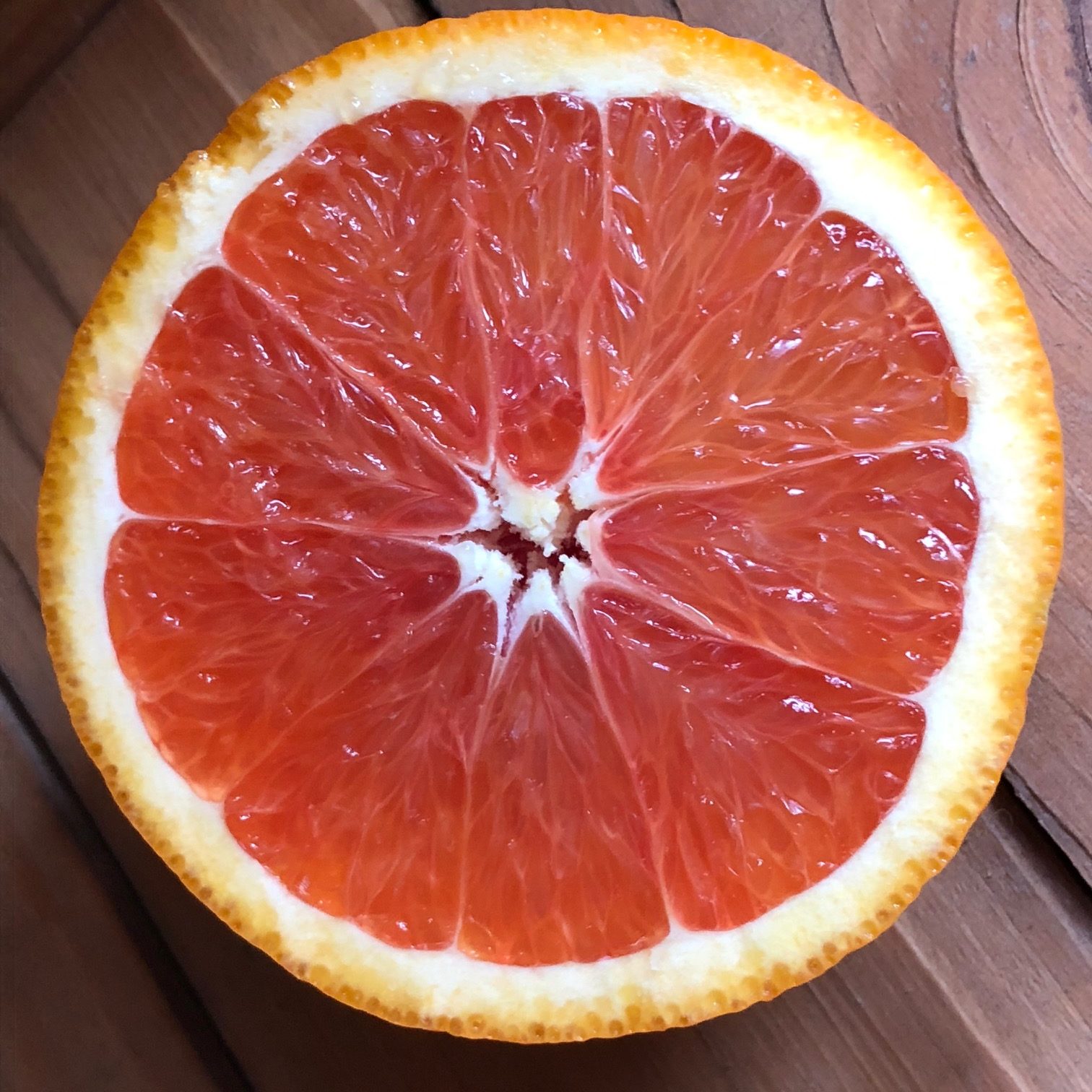
Often referred to as the “pink naval,” these seedless, low-acid oranges are deep salmon in color with the texture of a naval orange and a flavor that is often described as a blend of tangerine and grapefruit. The Cara Cara is the result of a cross-pollination of a Washington Naval Orange and a Brazilian Bahia Naval Orange, first discovered in Venezuela in 1976 and brought to the U.S. in the 1980s. This is what we call an all-natural hybrid fruit.