The Stories Behind Your Favorite Holiday Classics
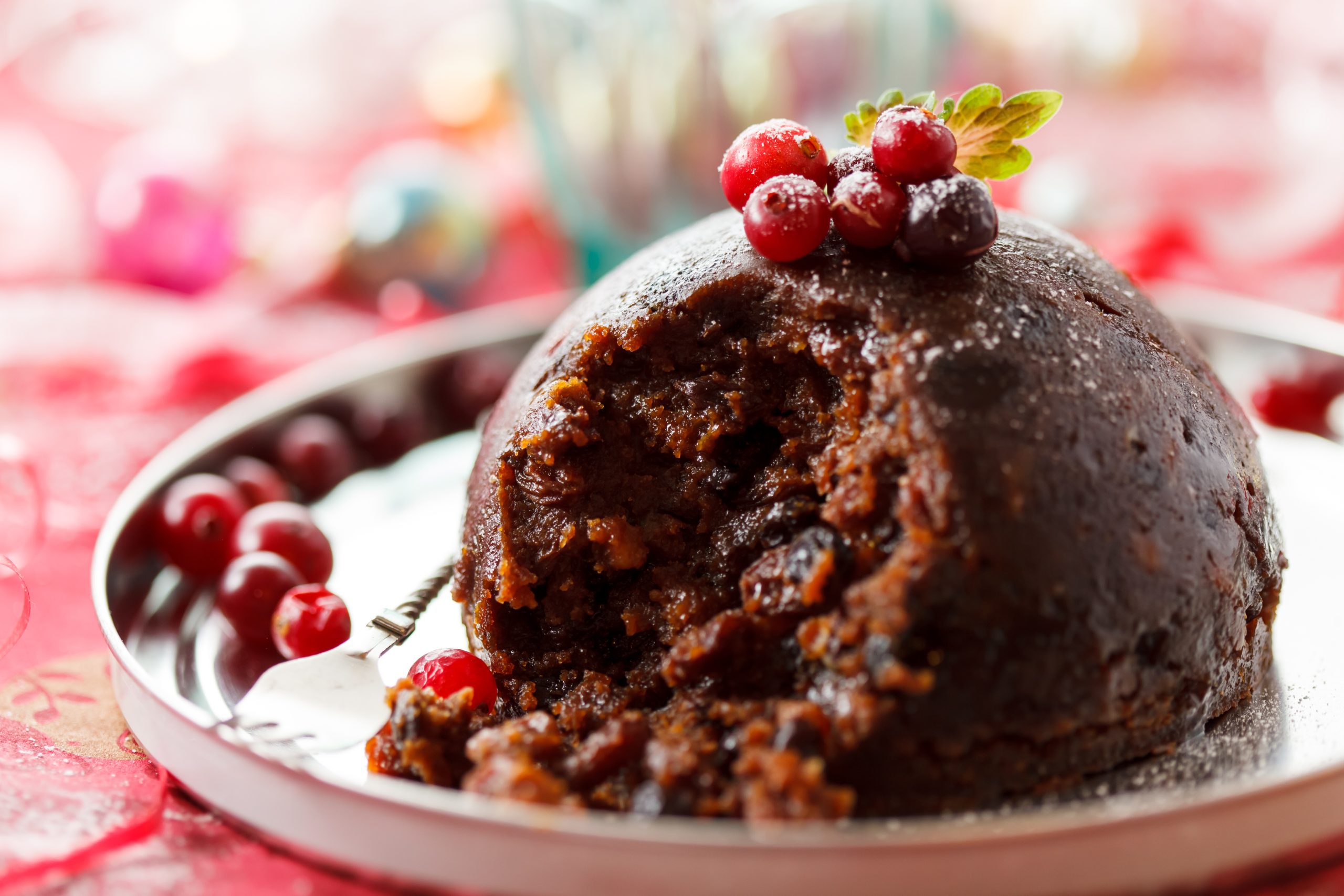
Steaming cups of wassail, towering panettone, old-fashioned mincemeat pies, and glossy ribbon candy—these classic holiday treats are rich with tradition, but many of us have never actually tasted them. They’re also often hard to find. That’s why we’re excited to offer these festive favorites on our shelves this holiday season.
Whether you’re reviving a family tradition, trying something you’ve only heard about, or adding a touch of Old World charm to your holiday table, our selection makes it easy to enjoy these traditional foods and drinks at home.
Here’s a tour of some classic holiday favorites—and the stories behind them.
Mulled wine

There’s nothing like the cozy, spicy aroma of warmed wine or cider to chase away the winter chill.
Mulled drinks have been spreading holiday cheer since Roman times, when cinnamon, cloves, and herbs were added to hot wine for preservation, flavor, and their health-giving benefits. By the Middle Ages, a steaming cup of spiced wine had become popular at Christmas gatherings and came to be known as “wassail,” from the Anglo-Saxon phrase “waes hael,” meaning “good health.” By the 17th and 18th centuries, wassail was a beloved holiday tradition in England and later the American colonies.
The famous carol, “Here We Come A-wassailing,” captures the tradition of caroling door to door in exchange for a drink. And here in Woodstock, Vt, the tradition lives on during our annual Wassail Weekend—this year, Dec. 12-14!
Panettone
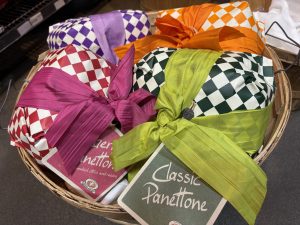
Panettone is Italy’s tall, sweet, and oh-so-delicious holiday bread!
Legend has it that the first loaf was created in 15th-century Milan when a young cook named Toni saved a Christmas feast for the Duke of Milan after the dessert was burnt. This “pan de Toni” started simple with flour, eggs, sugar, and butter. Over time, bakers added candied citrus peel, raisins, and nuts, giving it the dome-shaped loaf we know today. By the 19th century, it had become a Christmas tradition in Italy and beyond, often given as holiday gifts and enjoyed around the table.
We offer several festive flavors—classic, orange and chocolate, fig and chocolate, and cherry—all wrapped in beautiful paper. They make the perfect gift for hosts, teachers, or anyone on your holiday list.
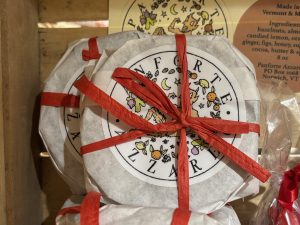
Panforte
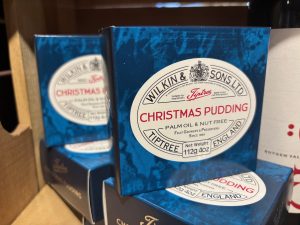
Christmas pudding
Torrone
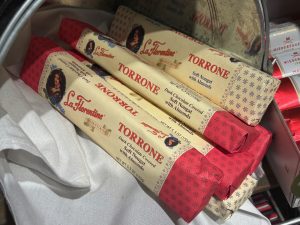
Versions of Torrone—a sweet, chewy nougat made of toasted almonds, honey, and egg whites—date back to the Roman Empire.
The name likely comes from the Latin word torrere, which means “toasted.” But the most romantic story of its origins is that it was invented for the wedding of the Duke of Milan’s daughter in 1441—molded to resemble the city’s bell tower, the Torrazzo of Cremona. Its chewy, sweet texture and rich nutty flavor made Torrone a celebratory treat often served at weddings and during the holidays. Over time, variations with chocolate, candied fruit, or different nuts emerged.
Whether or not you have Italian roots, and especially if you do, this treat can add a touch of Italian festivity to your holiday table.
Mincemeat
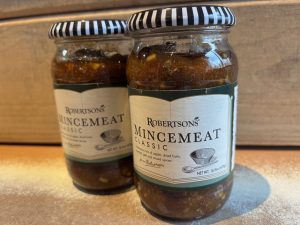
Mincemeat pies have been a holiday tradition since the Middle Ages, when the spices used to season the preserved meats were considered a luxury.
Originally a hearty medieval mix of meat, spices, and dried fruit, the recipe slowly evolved into the sweet, fragrant filling we know today—packed with apples, raisins, citrus peel, and warm spices, all soaked in a generous splash of brandy or rum. By the Victorian era, mincemeat pies were the centerpieces of Christmas celebrations, symbolizing abundance and good cheer.
British friends tell us Robertson’s Mincemeat filling, pictured here, is just as delicious as homemade. All you need is a pie crust and Christmas dessert is served!
Ribbon candy
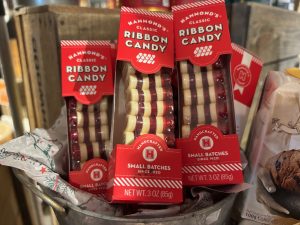
This holiday classic began in Europe, where candy makers, especially in France and England, have a long tradition of sugar artistry.
Beginning in the 1800s, confectioners began hand-pulling glossy sugar into thin, satiny “ribbons” to decorate their shops during the holidays. Before the invention of hand-operated mechanical crimpers later in the century, the delicate folds were shaped around candy makers’ thumbs—a truly hand-made creation! It wasn’t until the 20th century that advanced machinery allowed for large-scale production, making the candy more affordable and accessible to all.
With their vibrant colors, peppermint flavor, and festive curls, ribbon candies are as pretty to look at as they are fun to crunch.
Glögg
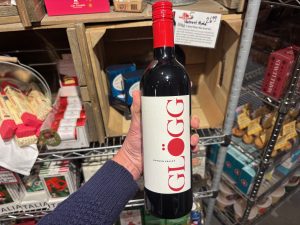
While similar to the mulled wine (or “wassail”) of England, Glögg has its own unique history and traditions.
Mulled wine, once it made its way to Scandinavia in the 16th century, was adapted into a drink called “Glögg”—the word comes from the Norse word glöga, meaning “to burn” or “to glow.” Locals added cinnamon, cardamom, cloves, and citrus, plus a hearty splash of spirits, to create a rich, fragrant drink that by the 19th century had become a treasured Christmas tradition throughout Sweden, Norway, and Denmark.
To enjoy it in the traditional Scandinavian way, serve it warm with blanched, slivered almonds and raisins, placed either in the bottom of the glass or on the side. For an alcoholic version, popular additions are red wine, vodka, rum, or brandy. Or pick up a bottle of Aquavit—a traditional Scandinavian spirit—for an authentic touch. The bottle pictured here is a spiced wine made by Boyden Valley Winery in Cambridge, Vermont.